
English
Views: 10 Author: Site Editor Publish Time: 2021-05-18 Origin: Site
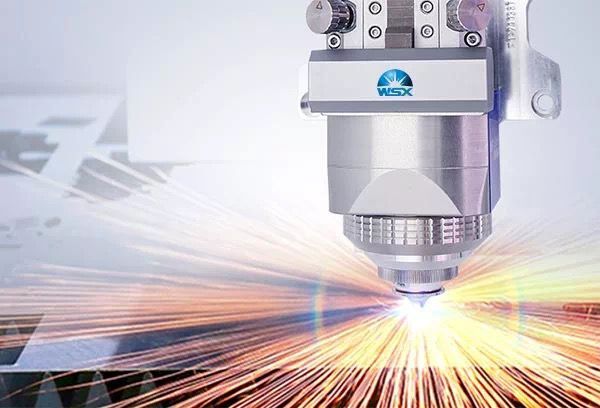
Fiber laser cutting machines are widely regarded as one of the most efficient, precise, and versatile tools in modern manufacturing. The process involves the interaction of a high-powered laser beam with the material being cut, and achieving the best results requires an understanding of several key factors. These factors can significantly impact the cutting quality, including the width of the cut, surface smoothness, and precision.
The cutting process itself can be broken down into both microscopic and macroscopic phenomena. The microscopic phenomenon involves quantum-level reactions, while the macroscopic phenomenon includes the absorption, reflection, refraction, and energy conversion of the laser light as it interacts with the material.
Let’s take a closer look at the 6 factors that affect the cutting quality of fiber laser cutting machines, and how they influence the overall process.
The beam characteristics of the laser are critical to achieving high-quality cuts. The spot diameter, or the size of the laser beam after it’s focused, directly influences the width of the cut incision. A smaller spot diameter results in a higher power density and energy density, which allows for more precise cutting. In contrast, a larger spot diameter reduces energy concentration and leads to less efficient cutting.
Smaller spot diameter = higher power density
Higher power density = more precise cuts
To achieve optimal cutting results, it’s crucial to focus the laser beam to the smallest possible spot size, depending on the material type and thickness.
Key Point: Smaller spots allow for greater precision, which is essential for clean, high-quality cuts, especially in applications like sheet metal processing and fine part manufacturing.
The laser power plays a significant role in determining the cutting thickness of materials. The higher the laser power, the thicker the material it can cut effectively. Laser power also affects the dimensional accuracy, cut width, surface roughness, and the heat-affected zone (HAZ).
Higher laser power = Ability to cut through thicker materials
It also impacts:
The precision of the cut
The roughness of the cutting surface
The size of the heat-affected zone around the cut
However, too much power can result in excessive heat generation, leading to material distortion, rough edges, or burning. Conversely, insufficient power will result in incomplete cuts, poor penetration, or an uncontrolled cutting process.
Key Point: The power setting must be optimized for each material’s thickness and type to ensure clean, precise cuts while avoiding excessive heat damage.
The cutting speed is another critical factor affecting the quality of the cut. If the speed is too fast or too slow, the cut quality will degrade.
Too fast: The material will not be fully cut through, leading to incomplete cuts. Additionally, sparks will splatter, and slag may form on the bottom edge, potentially damaging the lens and the material.
Too slow: This can cause the material to become over-melted, resulting in wider slits, an increased heat-affected zone, and the potential for over-melting of the workpiece.
A balanced cutting speed ensures that the cutting surface remains smooth and free of slag, while also avoiding thermal distortion.
Key Point: To achieve optimal cutting quality, it’s essential to find the perfect balance between cutting speed and laser power to suit the material and its thickness.
The nozzle and auxiliary gas used in laser cutting are vital components for controlling the cut quality. The nozzle aperture (or size of the opening) and the distance between the nozzle and the material surface influence the cutting process significantly.
Nozzle aperture: A small nozzle may result in high gas pressure, leading to cleaner cuts, while a large aperture may result in less effective cutting and lower cut quality.
Distance: The distance between the nozzle and the material’s surface should be adjusted to maintain a stable cutting process.
Additionally, auxiliary gas (often oxygen, nitrogen, or air) is used to help blow away molten material and cool the cut area. The type and pressure of gas affect the roughness of the cut edge and slag formation.
Key Point: Proper nozzle settings and gas pressure are essential for achieving clean, accurate cuts, and for controlling the heat affected zone and surface quality.
The focus position of the laser is one of the most important factors in achieving the desired cut quality. The focus point is where the laser beam is concentrated at its smallest diameter, and it directly impacts several aspects of the cut:
Cut Width: The distance from the material’s surface to the focal point influences the width of the slit.
Surface Roughness: A misplaced focus can result in rough or uneven cuts, especially on thicker materials.
Waste Residue: A poorly adjusted focus can lead to waste residue sticking to the cut edges, resulting in a dirty finish and a longer post-processing time.
Key Point: Precise focus adjustments are essential for ensuring consistent cutting quality and achieving smooth edges and clean cross-sections.
Finally, the choice of auxiliary gas and its pressure significantly affect the cutting quality. In laser cutting, oxygen, nitrogen, and compressed air are commonly used gases.
Oxygen: Used for cutting mild steel and carbon steel, it helps to produce a high-quality cut with fewer rough edges and faster cutting speeds.
Nitrogen: Typically used for cutting stainless steel and aluminum, nitrogen helps in creating clean, oxidation-free cuts with a smooth finish.
Compressed Air: Generally used for cutting materials like plastic or thin metals, air provides a cost-effective solution but may result in a less clean cut compared to nitrogen or oxygen.